The Ultimate Guide to Permanent Residence Applications in Canada


Canada is a popular destination for individuals seeking to establish permanent residence. With its robust economy, high quality of life, and multicultural environment, it's no wonder people from around the world are eager to call it home. This guide will walk you through the essential steps and considerations for applying for permanent residence in Canada.
Understanding Permanent Residence
Permanent residence in Canada allows individuals to live and work in the country indefinitely. Permanent residents enjoy many benefits similar to Canadian citizens, such as access to healthcare and social services, but they are not allowed to vote or hold certain government positions.
There are several pathways to obtaining permanent residence, including economic immigration programs, family sponsorship, and refugee or humanitarian assistance. It's crucial to determine which pathway best suits your situation before starting the application process.
Economic Immigration Programs
Economic immigration is one of the most common pathways to permanent residence. Programs such as the Express Entry system, Provincial Nominee Program (PNP), and the Atlantic Immigration Pilot cater to skilled workers, entrepreneurs, and investors.

Express Entry is a points-based system that ranks candidates based on factors like age, education, work experience, and language proficiency. The highest-ranking candidates are invited to apply for permanent residence.
Family Sponsorship
If you have family members who are Canadian citizens or permanent residents, they may be able to sponsor you for permanent residence. Family sponsorship is primarily available for spouses, common-law partners, dependent children, and parents or grandparents.
Sponsors must meet specific eligibility requirements, including financial stability, to ensure they can support the sponsored family member. The process involves both the sponsor and the applicant fulfilling various criteria and submitting necessary documentation.

Application Process
The application process for permanent residence can be complex and time-consuming. It's important to gather all required documents and information before beginning. This includes proof of identity, education credentials, language test results, and police clearance certificates.
Once you have all the necessary documentation, you can submit your application online or through a paper process, depending on your chosen pathway. Some applications, like those through Express Entry, are processed more quickly than others.
Post-Application Steps
After submitting your application, you may be required to provide additional information or attend an interview. It's crucial to respond promptly to any requests from immigration authorities to avoid delays.
Once approved, you will receive a Confirmation of Permanent Residence (COPR) and a permanent resident visa, if applicable. These documents allow you to travel to Canada and complete the landing process to officially become a permanent resident.
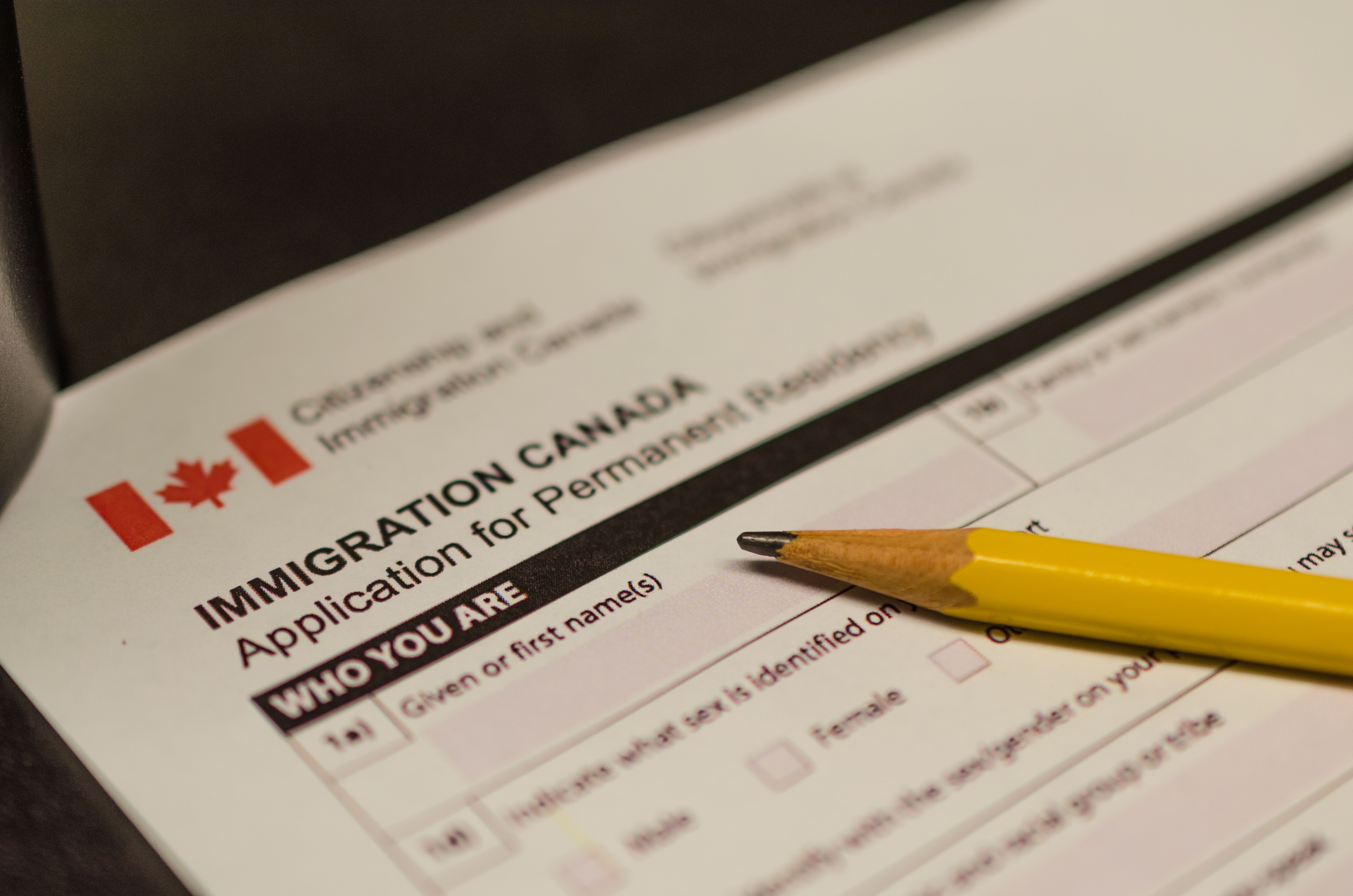
Understanding the intricacies of Canada's permanent residence application process can significantly enhance your chances of success. By selecting the right pathway and preparing a comprehensive application, you can embark on your journey to becoming a permanent resident of this welcoming and diverse nation.